
Construction Delays Are Killing Buyer Trust: How Indian Developers Rebuild Confidence With Video Updates
Construction delays are the single biggest fear driving real estate buyer anxiety in India — and it's the silence between booking and possession, not the delay itself, that turns a hesitant buyer into a cancellation. Here's the exact video-update framework developers use to protect their sales pipeline.
Every real estate developer in India eventually faces the same uncomfortable conversation: a construction milestone slips, the possession date moves, and a booked buyer wants to know why. After a decade of high-profile stalled projects — Amrapali, Jaypee, and dozens of smaller failures — Indian homebuyers carry a deep, well-founded fear of construction delay. That fear doesn't go away when they book with you. It just goes quiet.
Here is the part most developers miss: the delay itself is rarely what costs you the buyer. It's the silence afterward. A buyer who hears nothing for three months assumes the worst, starts asking on broker WhatsApp groups whether your project is "in trouble," and either demands a refund or quietly tells five other prospective buyers not to book with you.
This guide covers why delays erode buyer trust faster than the delay itself justifies, the warning signs that you're losing a booked buyer, and the exact construction update video framework developers use to keep buyers confident and engaged through a long construction cycle — delayed or not.
Why Construction Delays Happen — And Why That Doesn't Matter to Your Buyer
Labour shortages, material cost spikes, monsoon disruption, approval bottlenecks, and funding gaps are all common, often legitimate reasons a project slips behind schedule. Most developers can explain a delay with a perfectly reasonable operational story.
But a buyer who has put down ₹20–40 lakhs as a booking amount doesn't experience your operational reality — they experience an unanswered question. The reason for the delay matters far less to buyer psychology than whether you communicated it proactively, and how often you keep communicating after.
The Real Cost of a Delay Isn't the Delay — It's the Silence
Construction delay buyer trust collapses in a predictable pattern: a milestone is missed, the developer doesn't proactively communicate, the buyer starts calling the sales office for updates, gets vague answers, and starts assuming the worst. By the time a developer finally sends an update, the buyer relationship has already shifted from "patient" to "suspicious."
The fix isn't avoiding delays — on long construction cycles, some slippage is close to unavoidable. The fix is making proactive, visual communication a default part of your sales process from the day a unit is booked, not something you reach for only after a buyer complains.
5 Warning Signs You're Losing a Booked Buyer's Trust
Site visit requests increase sharply
A buyer who suddenly wants to visit the site in person, after months of being satisfied with updates, is checking whether the project is real and on track.
Calls shift from sales to accounts/legal
When buyer queries start going to your accounts or legal team instead of sales, they're exploring refund or cancellation options.
Broker complaints about 'no updates'
Brokers hear buyer frustration before you do. If brokers start mentioning 'no updates' as an objection, buyer trust has already eroded with multiple bookings.
Negative mentions on property portals or social media
Anxious buyers vent publicly before they escalate privately. Monitor portal reviews and social comments for delay-related complaints.
Possession-date no-shows
A buyer who doesn't show up to inspect a unit near possession, after being highly engaged earlier, may already be planning to exit or renegotiate.
Rising refund or resale enquiries
An uptick in buyers asking about exiting via resale or refund is a lagging indicator that trust has been eroding for months.
The Construction Update Video Framework
A scheduled construction update video is the single most effective tool for maintaining buyer confidence through a long build cycle — delayed or on schedule. Here is the framework we recommend to every developer client:
1. Fixed Monthly or Quarterly Cadence
Commit to a cadence — monthly for active construction phases, quarterly at minimum — and stick to it regardless of whether progress that month was dramatic. Consistency, not drama, is what rebuilds construction delay buyer trust. An irregular schedule undermines the purpose more than a less frequent but reliable one.
2. Aerial + Ground-Level Footage Together
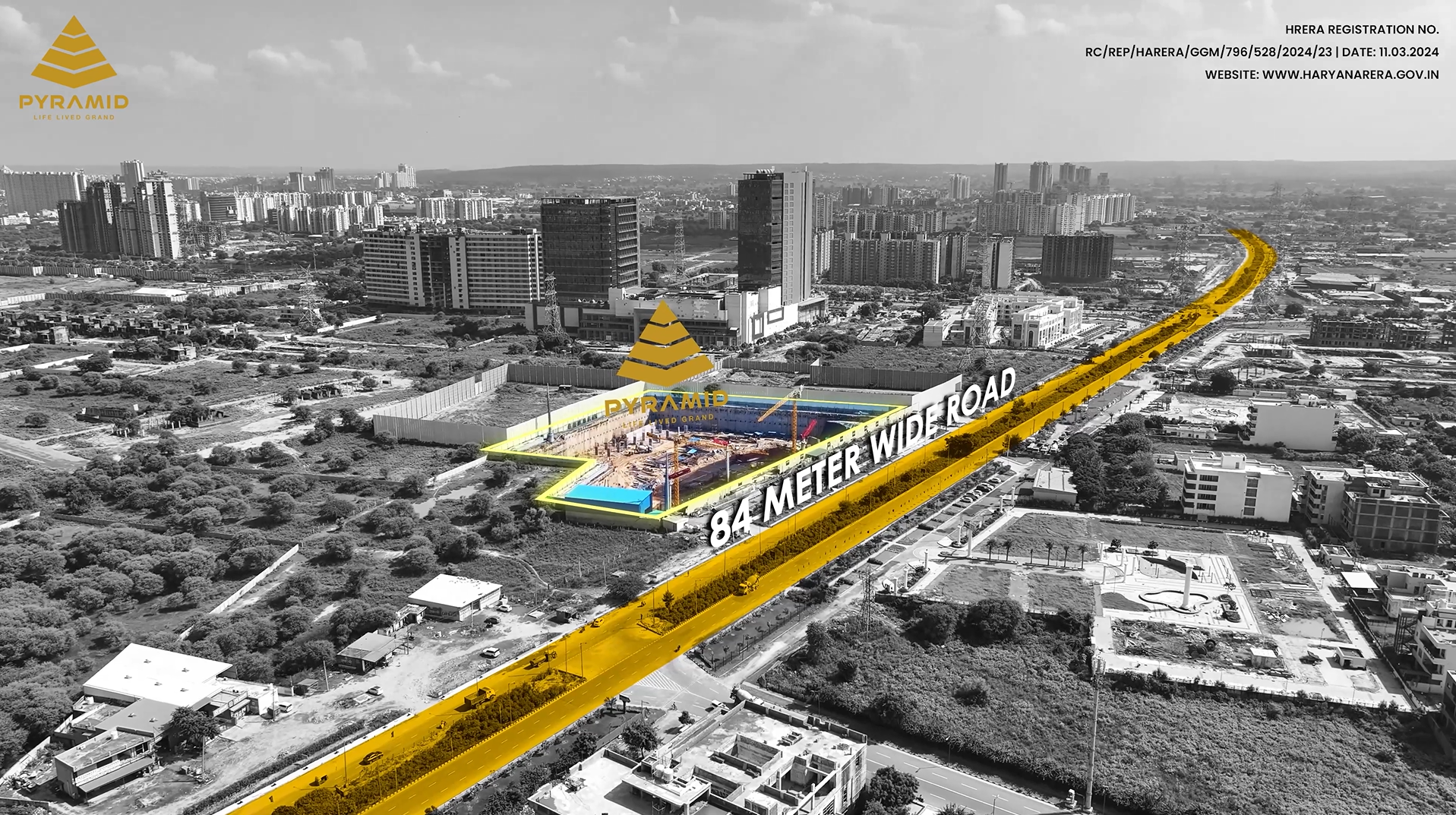
Drone footage shows overall site progress and scale; ground-level footage shows construction detail and quality. A construction progress video for buyers that includes both is far more convincing than either alone — it signals nothing is being hidden.
3. Plan-vs-Actual Timeline Overlay
Show the original construction timeline alongside actual progress on screen. If you're behind schedule, naming it directly — with a revised date — builds more trust than vague optimism. Buyers forgive a clearly communicated delay far more easily than a discovered one.
4. Brief Narration From a Real Project Lead
A 30-second voiceover or on-camera update from your site or project head — not just a generic marketing voice — makes the update feel accountable rather than promotional. Buyers respond to a named person taking ownership of the timeline.
5. Direct Distribution, Not Just a Website Upload
Push the video directly to booked buyers via WhatsApp groups and email — don't make them go looking for it. A RERA construction progress video uploaded only to your website rarely gets watched; one sent directly to a buyer's phone almost always does. Near possession, pairing it with a 3D walkthrough video of a near-final unit keeps buyers visually engaged right up to handover.
What to Do When You're Already Delayed
If you're reading this because you're already behind schedule and buyers are getting anxious, the instinct to go quiet until you have better news is exactly backwards. Increase your update frequency during a crisis, not decrease it — switch to monthly or even bi-weekly updates until the project is visibly back on track.
Be explicit about the revised timeline, acknowledge the delay directly in the video rather than glossing over it, and where possible, offer a concrete gesture — a minor compensation, an upgraded fitting, or priority on a preferred unit — alongside the update. Buyers who feel informed and acknowledged rarely escalate to cancellation; buyers who feel ignored almost always do.
A Sample Buyer Communication Calendar
- 1Booking + 30 Days — Welcome video introducing the project team, current site status, and the update schedule the buyer can expect going forward.
- 2Monthly During Active Construction — Standard construction update video — aerial + ground footage, timeline overlay, brief narration.
- 3Any Missed Milestone — Immediate proactive update explaining the delay, the revised date, and the reason — sent within days, not at the next scheduled cycle.
- 490 Days Before Possession — Increased cadence to fortnightly, plus a dedicated walkthrough video of a near-final unit if available.
- 5Possession — Final handover video and a direct invitation to schedule an inspection — closing the communication loop that began at booking.
Frequently Asked Questions
How often should we send a construction update video to buyers?
Monthly is ideal during active construction. Quarterly is the minimum acceptable cadence. If you fall behind schedule, increase frequency to fortnightly until the project is visibly back on track — consistency matters more than the news being positive.
Should we mention a delay directly in a construction update video, or avoid it?
Mention it directly, with a revised date. Buyers who discover a delay themselves — through silence, a site visit, or a broker — lose far more trust than buyers who hear it proactively from you, even when the news itself is identical.
What is the cost of a construction update video service in India?
A construction update video service typically costs ₹15,000–₹40,000 per update depending on drone usage, editing complexity, and narration, or can be packaged as a recurring quarterly/monthly retainer for the full construction period.
How do construction update videos help with RERA compliance?
While RERA has its own quarterly progress disclosure requirements, a well-produced construction update video complements your RERA filings by giving buyers an accessible, visual version of the same progress information — building trust beyond the bare regulatory minimum.
Can construction update videos help win back buyers who are considering a refund?
Yes, particularly when combined with direct communication and a concrete gesture of goodwill. A visual, honest update often reframes a buyer's perception from 'this project may be failing' to 'this developer is on top of the situation' — which is frequently enough to retain a wavering buyer.
Is Alliance Media Labs able to produce a recurring construction update video service?
Yes. We offer construction update video service India as a recurring engagement — scheduled drone and ground-level shoots, edited and delivered on a monthly or quarterly cadence, ready for direct distribution to your buyer base.
Related Articles
Start Building Buyer Trust With Scheduled Updates
Share your project timeline and buyer base — we'll set up a recurring construction update video schedule with a quote within 24 hours.